Table of Contents
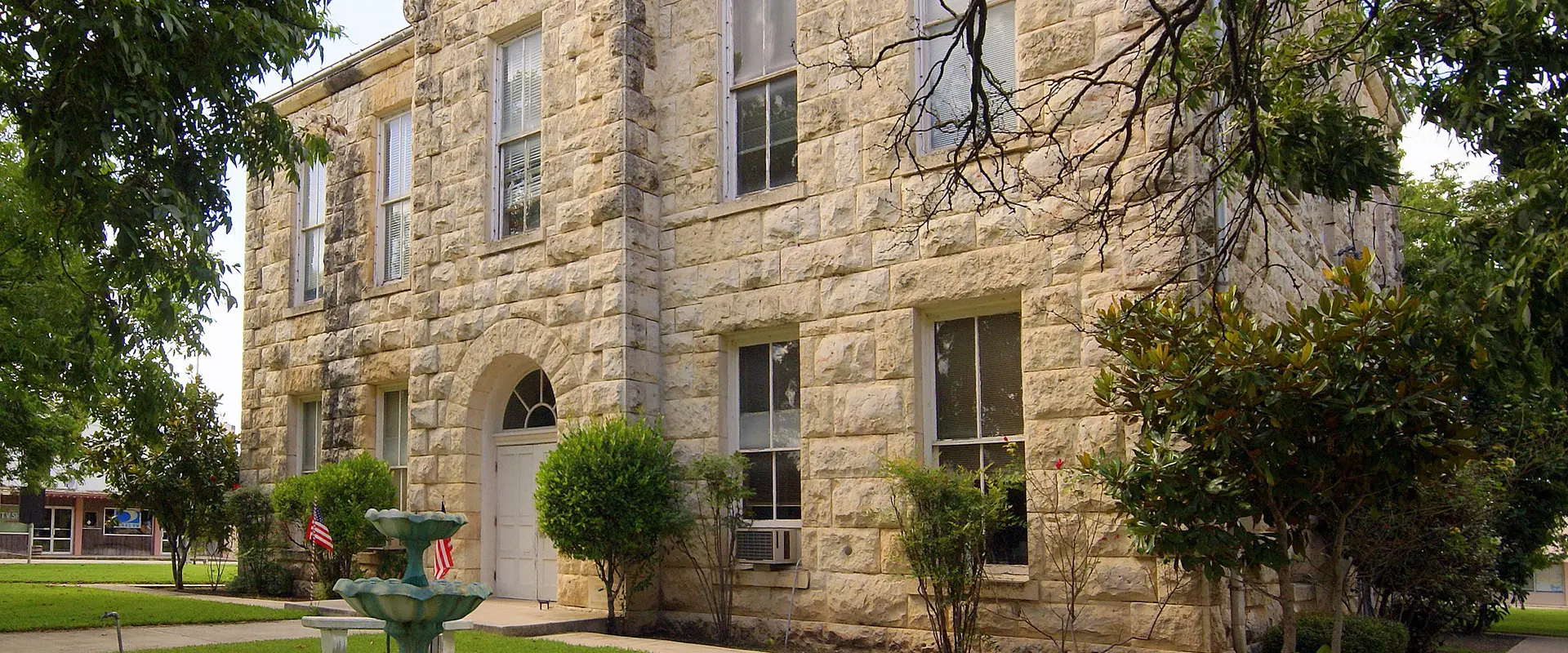
Edwards County Courts, TX *

Edwards County is located in the Southwestern part of Texas, about 100 miles from San Antonio. Named after Haden Edwards, who was among the first Americans to settle here, the county boasts high mineral deposits, natural springs, vegetation, and game. Initially, Bullhead was the county seat, though the name changed to Vance. Years later, Rocksprings officially became the county seat in 1891. Compared to other counties, it is rather small with a population of less than 1,500 people. This is because Real County was taken away from Edwards, which reduced its size.
Regardless of the size and population, Edwards still prides itself on having an elaborate legal system where various types of cases are heard. From minor charges like traffic violations and small claims to more serious ones such as felonies and settlement proceedings, each has a place in the judicial system of Edwards County. The courts serve legal professionals, residents, landlords, employees, and other parties.
Overview of the Edwards County Court System
Being one of the counties in Texas, Edwards belongs to the Texas Judicial System that also operates under the Office of Court Administration. While there are other states with a central form of court system, Texas doesn't have a unified structure when it comes to its courthouses. The design is more layered out, such that there are multiple courthouses, each having its own jurisdiction. So, the case will be heard in a different court depending on how serious it is and where it took place.
In general, courts in Texas are divided into five levels, with the Justice courts and Municipal courts at the lowest. These two mainly focus on cases involving specific matters like small claims, evictions, and traffic violations. Next up in the rank is the County Courts, which are tasked with juvenile cases, misdemeanors, and probate matters. The District Court, on the other hand, is known to have a more general jurisdiction, but it falls under the Texas Supreme Court, which is of the highest rank in the state.
Types of Courts in Edwards County, Texas

The following are the different types of courts you will find in Edwards County, Texas. This will come in handy to inform which court to turn to depending on your needs, whether you want to file a case or retrieve past records.
 District Court
The 452nd District Court of Edwards County is at the top when it comes to high courts in the region. Here is where more serious legal hearings take place, especially when there is a lot at stake. This court serves not just Edwards, but also Kimble, Mason, Menard, and McCulloch counties. The court coordinator works alongside the District Judge who presides over the cases, making sure that the processes run smoothly across all levels.
This department handles the administrative work, including making sure that the court follows the required procedures, as well as coordinating and planning how the court operates. The 452nd Courts also have rules of practice that all five counties must follow. There are codes of conduct for the counsel and everyone else who is interacting with the court.
The cases that are usually tried in this court include:
- Felony crimes
- Child protection
- Election contests
- Family law matters
- Appeals coming from the justice courts
Primary Location: Edwards County Annex
 Constitutional County Court
Every single county in Texas runs a Constitutional County Court. The Judge presiding over the cases is elected and mandated to carry out executive tasks, an aspect that makes Texas stand out from other states. Given that these courts are of higher levels, they are also tasked with hearing cases that are appealed from lower-level courts like Justice Courts and Municipal Courts.
Other cases that go through this court are:
- Civil cases where the amount being contested is between $200-$10,000
- Probate cases (only transferred to the District Courts when highly contested)
- Misdemeanors punishable by fines of less than $500 or jail terms of less than one year
- Domestic violence
- Sexual assault orders
Primary Location: Edwards County Annex
 County Court at Law
The Edwards County Court at Law is one of the courts that were created to ease the pressure on the court system. County Courts at Law are also otherwise known as Statutory County Courts or County Civil Courts at Law. The types of cases that are tried in these courts vary based on the task given to them by law. So in some cases, they can hear cases within the same jurisdiction as the Constitutional County Courts. Other hearings done here include:
- Misdemeanors (tasked with cases that are less likely to lead to incarceration)
- Health violations
- General civil claims of between $500-$100,000
- Trusts and wills
- Child custody and child support
- Mental health proceedings
- Juvenile cases
- Guardianships
Primary Location: Edwards County Annex
 Justice of the Peace Courts
The Justice of the Peace Court in Edwards County is one of the Texas Justice Courts. Members who are elected to serve in these courts must win partisan elections conducted in the precinct and are elected for a four-year term. Sometimes, the Justice of the Peace courts share jurisdiction with Constitutional County Courts and County Courts at Law, but some exclusive hearings are as follows:
- Preliminary hearings
- Some traffic violations
- Misdemeanors that could lead to the party being incarcerated
- Civil claims
- Small claims
- Foreclosures of mortgages
- Forcible entry
Primary Location: Edwards County Courthouse
How to Access Edwards County Court Records

Chapter 552 of the Texas Government Code gives Texans the right to access government records thanks to the Public Information Act. Any information from the government is readily available to all members of the public, and no one can bar you from access. There are only a few cases where there are exceptions, when the files are confidential, either by law, constitutional right, or by a judicial order.
 Online Access
For convenience, re:SearchTX is a portal that allows you to access court records in Texas. You can use the site to search for records across various courts and counties, even civil cases at district and county courts. However, this platform may not have all the records from all the Texas counties, and in most cases, the case files can only be previewed, so you will have to pay a fee to obtain the full documents.
 Alternative Online Options
Since online search is the fastest way to go, there are other platforms that give you access to court records at the touch of a button. Systems like CourtCaseFinder compile files across states and counties. What you need is full names and the state, and you get instant reports from court cases regardless of the state.
 In-Person Requests
If online searches are not bringing up the files you need, maybe because they are older records or archived, you can visit the County & District Clerk in Edwards County. However, other than providing access to archived data, this office is in charge of overseeing daily court operations and the filing of records. Besides making sure that the court's rules are followed, the clerk (playing the role of both county and district clerk in this tiny county) can also help you access physical case files that are not available online.
 Archived Records
If you are a researcher seeking genealogical files, are in a highly contested estate battle, or want access to older records, you can find them at the Texas State Library and Archives Commission. These are files that are decades old and come in handy to provide very important details that you otherwise may not find online.
For Attorneys and Legal Professionals
Attorneys and legal professionals may also need access to court records. They come in handy when handling a case in Texas and need details to help you win the case. You may also want to track proceedings to know about timelines and deadlines, especially since they may change without notice. Also note that different courts in Edwards are in the same building, so it's best to confirm the jurisdiction to be sure.
When making filings and submissions, remember to check that they comply with the Texas Rules of Civil Procedure and the local rules provided by Edwards County. You can ask for help from the County & District Clerk if you need better guidance on procedure or need access to important files for a case. They will help when the records you need are older or when you want to look at certified copies of documents.
How to File a Case in Edwards County

How you file your case makes a huge difference. Filing correctly and in the right place gives you the advantage you need to present a solid argument as you make your case. There are forms to be submitted and reviewed, and they must be timely and orderly. Making mistakes only means that you will run into so many issues that will derail your case. The following are the steps to follow when you want to get it right.
Step 1: Choose the Correct Court
There are different courts in Edwards County, and each has its own functions and presiding judges. You cannot take small claims to the District Court or file a massive civil suit at the Justice of the Peace courts. So the first thing to do is to confirm where and how your case will be handled. This will streamline the process for you and save you a lot of time and money.
 Step 2: Complete Required Forms
Based on the nature of your case, you will be required to complete and submit some forms given to you by the Texas Office of Court Administration. Whether you are dealing with matters from family law, civil disputes, or felonies, there are instructions provided. Carefully read and understand what they need and fill in the blank fields. Completing your form and submitting it to the right place ensures that you have a better shot at getting your matter resolved. The District & County Clerk may also help you out when filling out the forms, providing guidance and immediate feedback so you get it right.
 Step 3: File Your Case
Texas has eFile Texas, which is a mandatory electronic filing system for all attorneys and legal professionals. They file family, civil, and probate matters here across various courts, including the district and county courts, not just the Supreme and Appeal courts. On the other hand, non-attorney filers are not required to use the system, but they are encouraged to. It is a more convenient way to go and makes the process more seamless.
 Step 4: Pay Filing Fees
The amount you pay in terms of filing fees will likely vary based on the case in question. Sometimes you may also be asked to pay additional fees. If you cannot genuinely pay the amount requested, the state allows you to apply for a fee waiver by making a formal request called the Statement of Inability to Afford Payment of Court Costs.
 Step 5: Serve the Other Party
The rule in Texas is that after filing, you are supposed to complete the "Service of Process." Here is where you notify an opposing party about the case. It is a mandatory process so that the opposing people can also be ready to make their arguments. If you skip this process, the other party can challenge you, which could make the court dismiss your case. You cannot serve the other party yourself, so follow the directions of the court as to who should serve them.
 Step 6: Monitor Your Case
Filing your case is one thing, but there is more. You want to be updated about motions, hearing dates, and other changes in the schedule. The last thing you want is to miss a court date because you were not aware that there were changes. Go to the 452nd District Court online portal for District Court cases, re:SearchTX, or the clerk, so you can stay ahead of everything, which in turn helps make the process even simpler.
Edwards County Courthouse Directory
Considering the small size and population of Edwards County, there are not many courthouses in several locations, unlike in other bigger counties in Texas.
452nd District Court
This is the highest court in Edwards County, considering the types of cases that are tried here.
Rocksprings
Address: Edwards County Annex, 101 E. Main, Rocksprings, TX 78880
Phone: (830) 683-5376
Edwards Constitutional County Court
Tasked with hearing cases involving misdemeanors that could carry jail time, some civil cases, and appeals that have been made at the Municipal courts.
Address: 101 E Main, P.O. Box 184, Rocksprings, TX 7880
Phone: (830) 683-2235
Edwards County Courthouse
This is the probate court that is in charge of estate administration.
Rocksprings
Address: 100 W. Main, Rocksprings, TX 78880
Phone: (830) 683-6122
Website: co.edwards.tx.us/
Edwards County Justice of the Peace Court
Cases with minor legal and financial weight are tried here. This court is one of the most visited in the county.
Rocksprings
Address: 100 W. Main, P.O. Box 38, Rocksprings, TX 78880
Phone: (830) 683-5187
Legal Help and Self-Help Resources
There are so many marginalized communities that find the court process overwhelming. Veterans, low-income families, the elderly, and people living with disabilities may need guidance when it comes to filing or presenting their cases, especially for more serious matters like civil suits and felonies. If you belong to any of these groups, the following resources may come in handy.
 Free Legal Assistance
If you cannot afford a good attorney, Texas RioGrande Legal Aid (TRLA) steps in to offer free aid in more than 68 counties in Texas, including Edwards. With practice in more than 45 areas, you are sure to find free legal representation for your cases, from family law to housing and education. For those living with disabilities, Disability Rights Texas is another organization that can help you with disability rights issues. You just need to apply for their services via phone or video call, and if approved, your case will receive a massive boost.
Free Legal Support
You may also be lucky to find low-cost legal support from bodies like Catholic Charities Archdiocese of San Antonio, which can assist you with immigration issues, probate, and estate planning. The Hill Country Dispute Resolution Center is another agency that helps by offering court-ordered mediation for various kinds of family and civil disputes, so you don't even have to go to court for resolution.
FAQs
How do I search for a Criminal Case in Edwards County?
You can search for criminal, family, and all types of cases in Edwards County through re:SearchTX, which is provided by the state. There are also convenient alternative tools like CourtCaseFinder with records of cases compiled across states and counties.
Are court records public in Edwards County?
Texas has made it possible for the public to gain access to court records, so you will likely find the files you need online. If you don't, it means the records you seek are confidential based on their nature or due to a court order.
Can I file a small claims case online?
You can file a small claims case online. eFile Texas is not only for attorneys and legal professionals, but even self-represented individuals can use the electronic system to file their cases, including minor ones like small claims.
How long does it take to get records in Edwards County?
The time it takes to retrieve records usually depends on the method that you use. If you check online, you will likely retrieve the records faster, sometimes even instantly, as long as they have been stored electronically. However, you will have to wait a bit longer if you seek old or archived files.
Are online court record searches always accurate?
The accuracy of the court records that you retrieve depends on the platform that you use. Elaborate and well-designed systems will offer you the best results, just like hard copy documents you receive in person.
When is it helpful to use a third-party records finder?
You can use third-party record finders like CourtCaseFinder when you are looking for a convenient system where everything is in one place. You know that it is a good design if it offers access across all states and each of their counties and guarantees that the files retrieved will be complete and accurate.
What do I do if I can't find my case online?
You can start by confirming whether the details you entered are correct. You may miss files if you have entered the wrong name or are searching in the wrong state or county. If everything is fine, then the last resort would be to visit the clerk's office in person and ask for help. They should help you find the file and offer more direction.
Other Counties in Texas
- Anderson
- Andrews
- Angelina
- Aransas
- Archer
- Armstrong
- Atascosa
- Austin
- Bailey
- Bandera
- Bastrop
- Baylor
- Bee
- Bell
- Bexar
- Blanco
- Borden
- Bosque
- Bowie
- Brazoria
- Brazos
- Brewster
- Briscoe
- Brooks
- Brown
- Burleson
- Burnet
- Caldwell
- Calhoun
- Callahan
- Cameron
- Camp
- Carson
- Cass
- Castro
- Chambers
- Cherokee
- Childress
- Clay
- Cochran
- Coke
- Coleman
- Collin
- Colorado
- Comal
- Comanche
- Concho
- Cooke
- Coryell
- Crockett
- Crosby
- Culberson
- Dallam
- Dallas
- Dawson
- De Witt
- Deaf Smith
- Delta
- Denton
- Dimmit
- Duval
- Eastland
- Ector
- El Paso
- Ellis
- Erath
- Falls
- Fannin
- Fayette
- Fisher
- Foard
- Fort Bend
- Franklin
- Freestone
- Frio
- Gaines
- Galveston
- Garza
- Gillespie
- Glasscock
- Goliad
- Gonzales
- Gray
- Grayson
- Gregg
- Grimes
- Guadalupe
- Hale
- Hamilton
- Hansford
- Hardin
- Harris
- Harrison
- Hartley
- Haskell
- Hays
- Henderson
- Hidalgo
- Hill
- Hockley
- Hood
- Hopkins
- Houston
- Howard
- Hunt
- Hutchinson
- Jack
- Jackson
- Jasper
- Jefferson
- Jim Wells
- Johnson
- Jones
- Karnes
- Kaufman
- Kendall
- Kenedy
- Kerr
- Kinney
- Kleberg
- Lamar
- Lamb
- Lampasas
- Lavaca
- Lee
- Leon
- Liberty
- Limestone
- Live Oak
- Llano
- Loving
- Lubbock
- Madison
- Marion
- Matagorda
- Maverick
- Mcculloch
- Mclennan
- Medina
- Midland
- Milam
- Mitchell
- Montague
- Montgomery
- Moore
- Morris
- Nacogdoches
- Navarro
- Newton
- Nolan
- Nueces
- Ochiltree
- Orange
- Palo Pinto
- Panola
- Parker
- Parmer
- Pecos
- Polk
- Potter
- Rains
- Randall
- Red River
- Reeves
- Robertson
- Rockwall
- Runnels
- Rusk
- Sabine
- San Augustine
- San Jacinto
- San Patricio
- Scurry
- Shelby
- Sherman
- Smith
- Somervell
- Starr
- Stephens
- Tarrant
- Taylor
- Terrell
- Terry
- Titus
- Tom Green
- Travis
- Trinity
- Tyler
- Upshur
- Uvalde
- Val Verde
- Van Zandt
- Victoria
- Walker
- Waller
- Ward
- Washington
- Webb
- Wharton
- Wichita
- Wilbarger
- Willacy
- Williamson
- Wilson
- Wise
- Wood
- Yoakum
- Young
- Zapata
- Zavala
Table of Contents
