Table of Contents
Ector County Courts, TX *
Ector County, located in West Texas, is essential economically in the area. The legal environment of the county is influenced by the fast-growing Odessa, its county seat, being home to the energy industry. The judicial system in the county is crucial in ensuring order and settling disputes in its very diverse community.
The courts in Ector County deal with all sorts of legal issues, such as civil cases, felony and misdemeanor criminal cases, family law cases, probate administration, and housing cases. Landlords, employers, residents, and attorneys depend on these courts and the records they produce and maintain to conduct background checks, verify rental history, conduct research, and prepare for hearings.
Overview of the Ector County Court System
The Ector County courts are under the Texas Judicial Branch and managed by the Texas Office of Court Administration. The courts in Texas are organized into a tiered system, beginning with local Justice of the Peace courts, moving to the district and county courts, and finally the two high courts, the Texas Supreme Court and the Texas Court of Criminal Appeals. In this system, the Ector County courts exist at the levels of the district, county, Justice of the peace, and municipal courts.
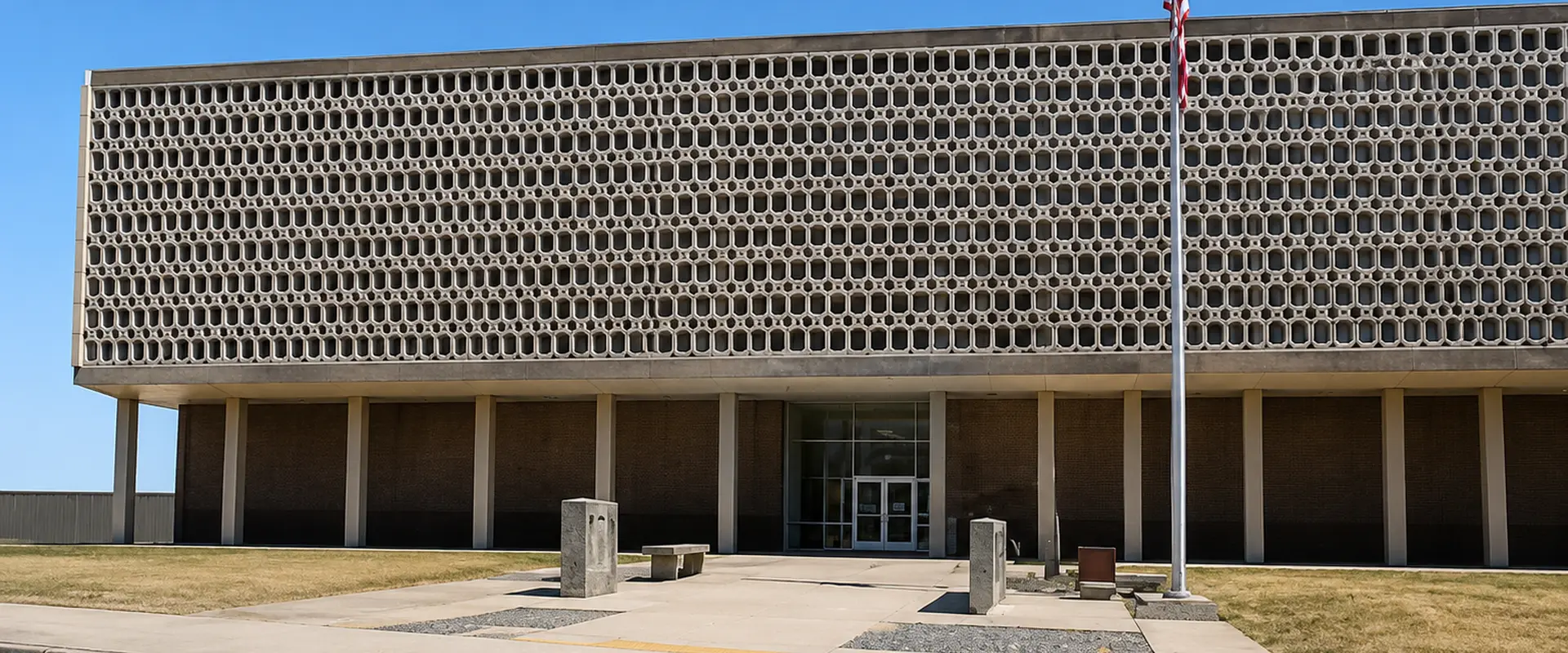
The City of Odessa is the hub of court activity. The District Courts, County Courts at Law, and the office of the District Clerk and County Clerk are located at the Ector County Courthouse, the main destinations of most legal filings and record requests. The Justice of the Peace courts serve various precincts within the county, and the Odessa Municipal Court is a city-level court.
Types of Courts in Ector County, Texas
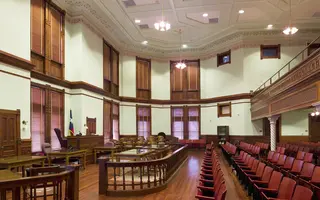
One of the most important aspects of any court process is knowing which court will deal with your case. Submission to the wrong court wastes time and causes unnecessary expenditures and procedural issues. Every court within Ector County has a certain set of duties, as you will read below.
 District Courts
The four District Courts, the 70th, 161st, 244th, and 358th, in Ector County are the major trial courts of general jurisdiction, and they deal with the most serious cases in the county.
Jurisdiction includes:
- Felony criminal cases
- Civil cases usually require a greater amount of money
- Protective orders
- Title to land disputes and contested elections
- State agency appeals
The District Courts deal with complex and high-stakes cases such as serious felony cases, major civil litigation cases, and contested family law cases. Due to the intricacy of the matter, the majority of individuals prefer hiring an attorney in case they appear in the District Court.
 County Courts at Law
The two Ector County Courts at Law, No.1 and No.2, deal with mid-level civil and criminal cases and probate cases.
Jurisdiction includes:
- Class A and Class B criminal cases of misdemeanor
- Civil cases up to $250,000
- Probate matters
- Mental health commitments
- Appeals from Justice of the Peace Courts
These courts have a wide docket. On the criminal front, they deal with misdemeanor cases, which may still translate to huge fines, probation, or jail terms. They also preside over probate cases, which is a valuable tool to anyone who has to administer the estate of a deceased family member or to the loved one who has lost control over their own life.
 Justice of the Peace Courts.
The Justice of the Peace (JP) Courts in Ector County are basic trial courts that offer services to citizens in four precincts.
Jurisdiction includes:
- Small claims cases up to $ 20,000.
- Class C misdemeanors
- Minor traffic violations
- Cases of eviction (forcible detainer)
- Truancy matters
JP Courts can be the initial contact of the court system with the resident. They are intended to be user-friendly and fairly casual, and a good number of individuals are self-represented without an attorney, especially in small claims and traffic courts. JP Courts' decisions may be appealed to the County Court at Law to hear them anew.
 Municipal Court
The Odessa Municipal Court is responsible for violations of city ordinance and Class C misdemeanor crimes that occur in the city of Odessa.
Cases include:
- City ordinance violations
- Less serious traffic violations in Odessa
- Municipal misdemeanors such as public intoxication and disorderly conduct
- Code enforcement violations
The Municipal Court has its own system and concerns itself with the local laws. This is where any person who has been issued a notice of violation of ordinance or a citation by the city can appeal or dispose of the case. Municipal Court decisions, like JP Court decisions, can be brought to the County Court at Law.
How to Access Ector County Court Records

Texas law makes most of the court records in Ector County public. Juvenile records, adoption files, sealed cases, and some family violence proceedings are exceptions. Access to most civil and criminal issues is easy via online facilities or by visiting the facility. Certified copies are usually charged a small per-page fee.
 Online Access
The main statewide resource is the Texas OCA Court Records Search. This portal allows access to information about cases across the Texas courts. Before your search, collect as much identifying information as you can: the full legal name of a party, an approximate date of filing, a case number, or the type of case. This will reduce your search results and will enable you to find the correct record fast.
 Alternative Online Options
State portals are not always user-friendly, especially when you do not know the name of the court or database that contains the record you require. And then it can be challenging to know which court to search. CourtCaseFinder compiles publicly available records across various sources to provide access to court cases, divorces, and arrests, among other publicly available filings. It can serve as your starting point when you are not sure where to start.
 In-Person Requests
To obtain certified copies, older records, or documents in need of an official court seal, go to the office of the clerk at the Ector County Courthouse. The District Clerk deals with District Court records; the County Clerk is the keeper of the County Court at Law and probate records. Get the clerk to assist you in finding:
- Physical case files
- Archived documents
- Certified copies to be used legally or officially
 Archived Records
Historical records that were filed before electronic records began will likely be in paper form only. The Ector County Clerk can refer you to archived files or tell you how to retrieve them. The Texas State Library and Archives Commission also provides access to some older Texas records. A mix of online searches, field visits, and requesting archives provides you with the best picture.
For Attorneys and Legal Professionals
If you're an attorneys from outside Ector County, you'll find that most case research is done using the Texas OCA case search portal and the county's case management system. Civil filings in District and County Courts are filed by using eFile Texas. All of your filings should comply with the Texas Rules of Civil Procedure and any local rules. To get certified records, archived files, or physical exhibits, contact the office of the District Clerk or County Clerk directly to ensure processing times and charges.
How to File a Case in Ector County

When filing a case in Ector County, you must pay attention to the details, and there are a lot of them. Failure here to file or submit complete paperwork, or to file in the correct court, may lead to delays, missed deadlines, or rejection of your case. Starting over can be costly, so doing it right the first time is best.
 Step 1: Choose the Correct Court
You'll need to determine which court to deal with. The District Court adjudicates felonies, larger civil cases, and complex family law matters. The County Court at Law handles misdemeanors, mid-range civil cases, and probate matters. Justice of the Peace Courts handle small claims up to $20,000, evictions, and Class C misdemeanors. The Odessa Municipal Court handles city ordinance violations within its city. If you're still unsure, call the office of the District Clerk or County Clerk, and they can get you on the right track.
 Step 2: Complete Required Forms
TexasLawHelp offers free, court-approved forms of common Texas proceedings. The clerk's office can also assist in determining which forms you need for your case type. Be careful in following instructions and make sure that forms are complete, as incomplete forms are the leading cause of rejected filings.
 Step 3: File Your Case
The majority of civil cases in the District and County Courts are e-filed at eFile Texas. In some situations, a self-represented party can file a case in person at the Ector County Courthouse. You will be given a case number and a confirmation of filing when you file. Keep these to track your case.
 Step 4: Pay Filing Fees
Fees vary depending on the court and the type of case. Ector County posts its fee schedule on its site. If fees are a financial burden, request that the clerk enter a Statement of Inability to Afford Payment of Court Costs to obtain a waiver.
 Step 5: Serve the Other Party
Once you have filed, you need to notify the other party by serving them. This is normally done by the Ector County Sheriff or a licensed, privately employed process server. After service, provide the file proof of service to the clerk. Maintain a record of all service records.
 Step 6: Monitor Your Case
Follow up on your case online, using your case number at the Texas OCA case search portal or at CourtCaseFinder. Due to the possibility of changes to court dates and deadlines, one should check regularly and review all court notices to avoid missing court appearances.
Ector County Courthouse Directory
The courts of Ector County are concentrated in one complex in Odessa, and visitors will find it easy to locate the right department.
Ector County Courthouse (District Courts, County Courts at Law, District Clerk, County Clerk)
The hub of the vast majority of court work in Ector County. Houses the four District Courts, two County Courts at Law, and both clerk offices. It processes both large and small cases, including felony cases, civil lawsuits, estates, and family law filings.
Odessa Municipal Court
Prosecutes violations of city ordinance, minor traffic violations, and municipal misdemeanors within the city of Odessa.
Ector County Justice of the Peace Courts
The Justice of the Peace Courts cover the various precincts in Ector County and handle small claims, Class C misdemeanors, traffic, and eviction cases. The specific precinct locations and contact information vary with your address; call the Ector County government offices to inquire.
Justice of the Peace (Precinct 1)
Address: 1010 E. 8th St, Odessa, TX 79761
Phone: (432) 498-4201
Justice of the Peace (Precinct 2)
Address: 300 N. Grant Ave, Rm 211, Odessa, TX 79761
Phone: (432) 498-4202
Justice of the Peace (Precinct 3)
Address: 300 N. Grant Rm. 208, Odessa, TX 79761
Phone: (432) 498-4203
Justice of the Peace (Precinct 4)
Address: 300 N. Grant Rm. 208, Odessa, TX 79761
Phone: (432) 498-4204
Legal Help and Self-Help Resources
A number of state and nonprofit organizations can assist Ector County residents in going through legal procedures and finding representation in case of necessity.
 Free Legal Assistance
Texas RioGrande Legal Aid (TRLA) is a free civil legal service provider to low and moderate-income Texans, which includes areas of family law, housing, and consumer protection, among others. The State Bar of Texas Lawyer Referral Service can help you get in contact with local lawyers, including those who offer consultations at a reduced fee. Forms, filing instructions, and procedural guidance can be obtained at the courts by the clerk, but no legal advice is provided.
 Local Legal Support
Representing yourself through the assistance of TexasLawHelp is usually enough for the simple cases like uncontested divorces, minor traffic offenses, or basic small claims disputes. But for the more complicated cases, such as defending against a crime, a custody battle, or a big financial issue, it is highly recommended that you seek the assistance of a licensed attorney.
FAQs
How do I search for a court case in Ector County?
Search through the Texas OCA case search portal using the party name, case number, other any other information you may have. You can also go in person to the District or County Clerk's offices, where knowledgeable staff can point you in the right direction. CourtCaseFinder is a helpful substitute in circumstances where you are uncertain about which court has the record.
Are the court records in Ector County open to the public?
Yes, the majority of them are public under Texas law. You'll find exclusions for juvenile records, adoption files, sealed cases, and some family violence proceedings. Limited records can be accessed only by court order or with proven legal standing.
Where do I get eviction records in Ector County?
In Texas, eviction (also known as forcible detainer action) cases are filed in the Justice of the Peace Court. The records are accessible at the JP Court or the County Clerk's office by using the name of the landlord or tenant.
Can I file a small claims case online in Ector County?
JP Court small claims cases can be electronically filed, depending on the precinct. To ensure that current options are up to date, contact the relevant Ector County JP Court or the main courthouse to verify before filing.
How long does it take to get court records?
If you're downloading electronic records from the OCA portal, you'll get them right away. Face-to-face orders at the courthouse for printed or certified copies may be fulfilled right away or take a few business days, depending on what you're asking for. Older or archived records might be slower when files have to be located in storage. Make a call in advance to confirm.
What is the distinction between the District Clerk and the County Clerk?
The District Clerk maintains records for four District Courts' felony cases, large civil suits, and family law matters. The County Clerk is responsible for the County Court at Law and probate records. If you are not sure which office you require, either can guide you to the appropriate office.
Where do I get legal forms to file in Ector County?
Through TexasLawHelp, free, court-approved legal forms are provided to cover a wide variety of Texas proceedings, such as divorce, name changes, small claims, eviction, and protective orders. The Ector County Courthouse also has clerk offices that could offer assistance in the types of forms needed, depending on the type of case, but they cannot fill them out or give legal strategy advice.
Other Counties in Texas
- Anderson
- Andrews
- Angelina
- Aransas
- Archer
- Armstrong
- Atascosa
- Austin
- Bailey
- Bandera
- Bastrop
- Baylor
- Bee
- Bell
- Bexar
- Blanco
- Borden
- Bosque
- Bowie
- Brazoria
- Brazos
- Brewster
- Briscoe
- Brooks
- Brown
- Burleson
- Burnet
- Caldwell
- Calhoun
- Callahan
- Cameron
- Camp
- Carson
- Cass
- Castro
- Chambers
- Cherokee
- Childress
- Clay
- Cochran
- Coke
- Coleman
- Collin
- Colorado
- Comal
- Comanche
- Concho
- Cooke
- Coryell
- Crockett
- Crosby
- Culberson
- Dallam
- Dallas
- Dawson
- De Witt
- Deaf Smith
- Delta
- Denton
- Dimmit
- Duval
- Eastland
- Edwards
- El Paso
- Ellis
- Erath
- Falls
- Fannin
- Fayette
- Fisher
- Foard
- Fort Bend
- Franklin
- Freestone
- Frio
- Gaines
- Galveston
- Garza
- Gillespie
- Glasscock
- Goliad
- Gonzales
- Gray
- Grayson
- Gregg
- Grimes
- Guadalupe
- Hale
- Hamilton
- Hansford
- Hardin
- Harris
- Harrison
- Hartley
- Haskell
- Hays
- Henderson
- Hidalgo
- Hill
- Hockley
- Hood
- Hopkins
- Houston
- Howard
- Hunt
- Hutchinson
- Jack
- Jackson
- Jasper
- Jefferson
- Jim Wells
- Johnson
- Jones
- Karnes
- Kaufman
- Kendall
- Kenedy
- Kerr
- Kinney
- Kleberg
- Lamar
- Lamb
- Lampasas
- Lavaca
- Lee
- Leon
- Liberty
- Limestone
- Live Oak
- Llano
- Loving
- Lubbock
- Madison
- Marion
- Matagorda
- Maverick
- Mcculloch
- Mclennan
- Medina
- Midland
- Milam
- Mitchell
- Montague
- Montgomery
- Moore
- Morris
- Nacogdoches
- Navarro
- Newton
- Nolan
- Nueces
- Ochiltree
- Orange
- Palo Pinto
- Panola
- Parker
- Parmer
- Pecos
- Polk
- Potter
- Rains
- Randall
- Red River
- Reeves
- Robertson
- Rockwall
- Runnels
- Rusk
- Sabine
- San Augustine
- San Jacinto
- San Patricio
- Scurry
- Shelby
- Sherman
- Smith
- Somervell
- Starr
- Stephens
- Tarrant
- Taylor
- Terrell
- Terry
- Titus
- Tom Green
- Travis
- Trinity
- Tyler
- Upshur
- Uvalde
- Val Verde
- Van Zandt
- Victoria
- Walker
- Waller
- Ward
- Washington
- Webb
- Wharton
- Wichita
- Wilbarger
- Willacy
- Williamson
- Wilson
- Wise
- Wood
- Yoakum
- Young
- Zapata
- Zavala
Table of Contents