Table of Contents
Comanche County Courts, TX *

The Comanche County court system is layered in design to ensure legal issues from minor city violations to serious offenses are solved at the jurisdictions mandated by the Texas Constitution. It is important to know under which jurisdiction each case is handled and the procedures involved when navigating the court system. The courts have offices that perform administrative functions such as record keeping and case filing. Choosing the wrong office can prolong the justice process, hinder your research, or cost you money.
Overview of the Comanche County Court System
The arrangement of the Comanche County court system mirrors the hierarchical structure provided under the Texas Constitution. The highest authority is the 220th Judicial District Court that shares its jurisdiction with neighboring counties of Hamilton and Bosque. The court handles all serious crimes and executes family orders regarding litigations such as divorce and property.
The Constitutional County Court sits below this high court, and its authority to enforce Comanche County's internal laws comes from the County Judge. Most Class A and B offenses, from aggravated assault to drug possession, are heard in this court.
At the community level, Comanche County is served by a Justice of the Peace (JP) Court that handles minor civil matters and less serious criminal cases. You can see the court for basic services such as the processing of warrants and bringing small claims.
Comanche County receives additional legal authority from two Municipal Courts. The Comanche Municipal Court is the main authority for the City of Comanche, while the other authority, the De Leon Municipal Court, deals with general violations in the City of De Leon.
Types of Courts in Comanche County, Texas

Comanche County has courts with jurisdiction to deal with a wide range of minor to serious civil and criminal charges. The Texas Constitution regulates the power of each court in each county. Even with a localized system, the courts are subject to compliance at the state level.
 District Court
The first well-established court in Comanche County is the 220th Judicial District Court. It has general and broad jurisdiction over serious civil and criminal offenses. It also handles specific family matters and demands a Standing Order for custody issues and first-time cases. Here is a general breakdown of the cases handled at the 220th Judicial District Court:
- All family relations, including divorce and adoption
- Aggravated felony charges, such as 1st degree murder or aggravated sexual assault
- Complex land issues with a dollar cap of over $250,000
- Large-scale civil disputes within the range of $20,000
Primary Location: Comanche County District Clerk
 Constitutional County Court
Additional authority to the trial court is provided by the Constitutional County Court, headed by the County Judge. It has local administrative duties in Comanche County, as well as handling class A and B offenses. Specifically, it deals with:
- License and work permit applications
- Appeals in the civil capacity (presented by JP courts, but do not require District Court input)
- Probate cases, including guardianship and estate administration
- Proceedings regarding mental health status
Primary Location: Comanche County Clerk
 Justice of the Peace Court
The Justice of the Peace Court exercises its authority at the community level, solving small claims. Some of the cases presented in this court include:
- Class C misdemeanors that do not attract jail time, but are punishable through fines
- Civil issues capped at $20,000
- Administrative issues, such as taking an oath
- Eviction notices
- Traffic violations beyond the city limits
Primary Location: Comanche Justice of the Peace
 Municipal Court
Comanche County has two Municipal Courts, which are Comanche Municipal Court and De Leon Municipal Court. They have jurisdiction over:
- Class C offenses of up to $500 fines, and a $2,000 cap for specific violations such as public health and power safety
- Traffic violations, public intoxication cases, and juvenile delinquencies
- Bond revocation, search warrants, and community service orders
Comanche Municipal Court can be accessed without legal representation, except for minors. Defendants are also entitled to diverse payment plans, such as community service, if they cannot afford to pay fines.
In De Leon Municipal Court, citations issued by the court inform the defendant of the location to appear and the fines to be paid. You should allow for a five-day period to contact the court about the resolution of the citation. Payments can be made with the court clerk, but all other issues must pass through the judge.
Primary Location: Comanche Municipal Court, De Leon Municipal Court
How to Access Comanche County Court Records

Records in Comanche County are maintained by the court handling the case. You need to know where your case belongs to start the search and request process. Below are methods you can use to obtain court files in the County.
 Online Access
For district and county-level cases, the primary online portal for Comanche County is the Tyler Odyssey Public Access Portal. It provides a basic lookup of cases by number or name. For recent county court records, the civil/criminal dockets maintained by the county clerk provide a good starting point. The option may not be preferable for older cases. Comanche County also has a dedicated county portal for district-level records. You can search cases using the citation number, name, or driver's license.
 Alternative Online Options
Other online options maintain records for most case types, not limited to Comanche County. If you are uncertain which court has your case, you can use CourtCaseFinder to get general details. Always verify the information with the respective court clerk, as the site relies on data gathered from official sources, which is subject to delays.
 In-Person Requests
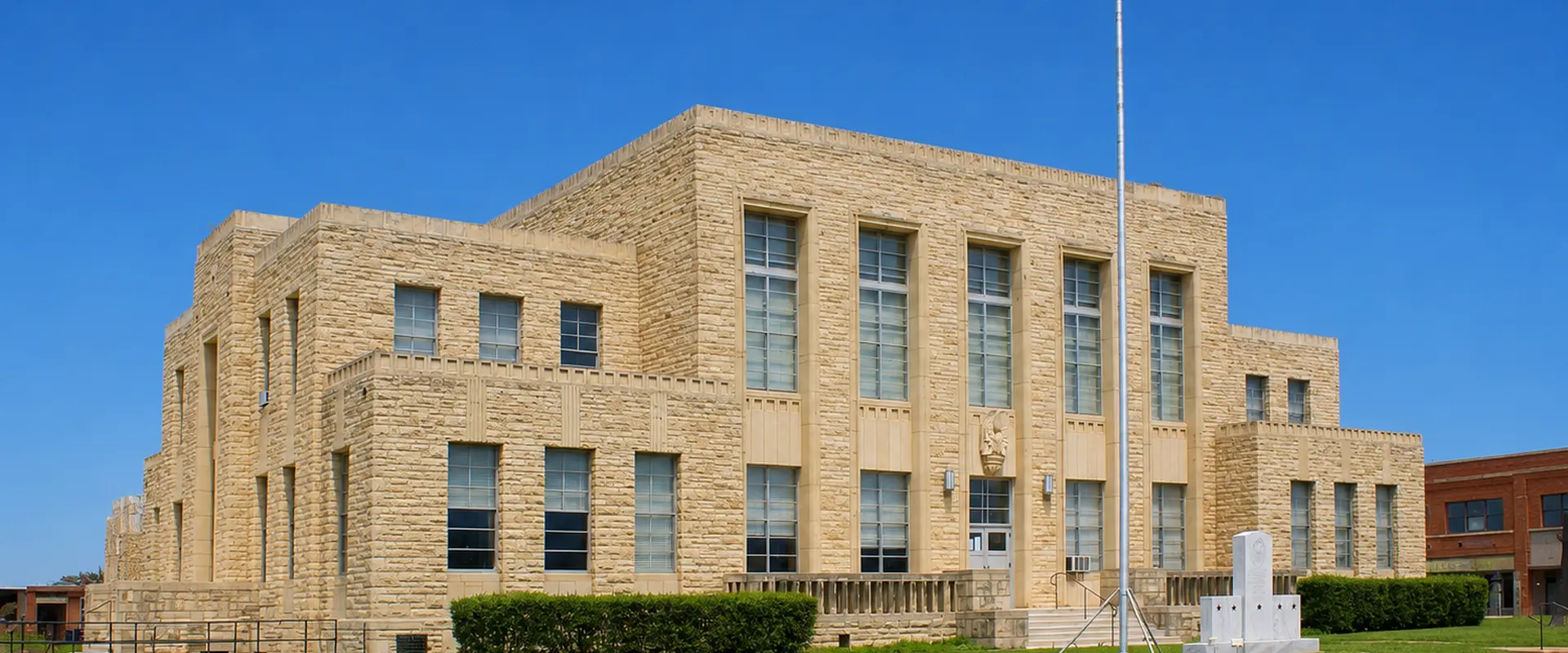
If you are sure about the county level of the case, you can obtain certified documents from the District Clerk for detailed results for district-level cases. Find the clerk's office at the Comanche County Courthouse and request official copies. At the county level, you can obtain stamped records regarding Class A or B misdemeanors, probate cases, and civil issues. Avail yourself of the clerk's office for more assistance. For in-person visits, prepare information about the case number, filing date, or parties' names to speed the search process.
 Archived Records
For older court records, contact the county or district court clerk with details about the case. Depending on the results, you can visit the court offices or call for specific directions. The Texas State Library Archives provides records that have been moved from court archives or that have not been digitized. Most files are about land disputes, probate matters, and vital statistics such as marriage records.
For Attorneys and Legal Professionals
As an attorney accessing court reports in Comanche County, you have additional responsibilities and tools different from those of the general public. Once you are registered on eFile Texas, use your Bar ID to retrieve files confidential to the counsel on record. The legal power gives access to cases involving family and children, or other issues not available to the general public. You may require a court order for sealed requests.
An alternative method is signing in to the re:SearchTX portal using your eFile Texas details. Provide a valid attorney's email as recorded with the State Bar of Texas. You will receive notifications every time your case has a new activity.
How to File a Case in Camanche County

Filing a case in Comanche County is less complicated when you know the type and the relevant jurisdiction. You can make a claim without legal representation by following the general walkthrough below.
 Step 1: Choose the Correct Court
Figuring out the right court to file your case is one of the major sources of confusion in the filing process. Here is an overview of the cases handled by different courts in Comanche County:
- The 220th Judicial District Court handles major felonies and high-level civil disputes.
- The Constitutional County Court deals with class A and B offenses and mid-level civil matters. Appeals from the Justice of Peace, mental health proceedings, and probate issues are also heard in this court.
- Small claims of up to $20,000 or issues above the city limits should be filed with the Justice of the Peace Court.
- Comanche Municipal Court and De Leon Municipal Courts exercise authority over city violations and general class C misdemeanors.
 Step 2: Complete Required Forms
The courts issue different forms for cases. The County Clerk at Comanche County provides application templates for cases such as motion for release forms and tax regulations. The district offices, through the 220th Judicial District Court and District Clerk, issue forms for different reasons.
The Justice of the Peace provides forms for small claims, such as eviction and obtaining a license. You can also find additional forms from the Municipal Court for cases involving minor issues such as time served and financial declarations.
 Step 3: File Your Case
The next step after obtaining and filling out the forms is filing the case. All cases filed online with an attorney must be filed under the eFile Texas system maintained by the state. It is not mandatory, but still advisable to register for an account if you file without legal representation. An alternative method is to present the documents at the appropriate court clerk's office. Also, ensure you attach all relevant documents.
 Step 4: Pay Filing Fees
As with different forms, filing in Comanche County varies according to the court. The District Clerk, under filing fees, provides a detailed fee structure for different claims. If you find the rates unmanageable, you fill out the Statement of Inability to Afford Payment of Court Costs form and submit it together with the case documents.
 Step 5: Serve the Other Party
Under the Texas Constitution, per the service of process, you are supposed to notify the other party about an open case. The sheriff, constable, or licensed personnel handles most of the civil cases in district and county courts. The notice can also be done through email. Please confirm with the court clerk about the appropriate method for the case.
 Step 6: Monitor Your Case
It is important to track the case via the Tyler Odyssey Public Access Portal to avoid missing important court details such as hearing dates. Alternatively, you can stay updated by visiting or calling the respective court clerk. Comanche County also allows you to follow the proceedings of the county court by publishing civil and criminal dockets.
Comanche County Courthouse Directory
Although Comanche is a small rural community, the existence of five courts means residents might get confused about where to seek services. The compiled directory provides an easy direction for residents and professional representatives.
220th Judicial District Court
The highest trial court dealing with high felony charges and civil matters.
Comanche
Address: 215 N Houston St, Comanche, TX 76442
Phone: (325) 356-5202
Constitutional County Court
Handles all matters of Class A and B misdemeanors. These are cases above the clearance of the JP Court but do not require the oversight of the District Court.
Comanche
Address: 101 W Central Ave, Comanche, TX 76442
Phone: (325) 356-2655
Website: newtools.cira.state.tx.us/page/comanche.County%20Clerk
Justice of the Peace Court
Small claims court dealing with civil and criminal cases under Class C.
Comanche
Address: 101 W. Central Ave, Comanche, TX 76442
Phone: (325) 356-3543
Email: comanchejpclerk@co.comanche.tx.us
Comanche Municipal Court
Deals with general violations in the city and Class C offenses.
Comanche
Address: 203 W Wrights Ave, Comanche, TX 76442
Phone: (325) 356-2616
Email: cityhall@comanchetexas.gov
Website: comanchetexas.gov/municipal-court
De Leon Municipal Court
Handles minor violations in the City of De Leon.
De Leon
Address: 125 S Texas St (P.O. Box 318), De Leon, TX 76444
Phone: (254) 893-2065
Email: questions@cityofdeleon.org
Legal Help and Self-Help Resources
Comanche County does not discriminate against low-income individuals who might not afford to pay for legal services. It has social programs from official and third-party organizations that help navigate the court processes. They are suitable even for those who can afford an attorney.
 Free Legal Assistance
There are many legal materials for residents in Comanche County who cannot afford counsel.
- Lone Star Legal Aid encourages users to apply by phone or mail for civil matters such as debt, family law, and housing.
- Texas Legal Service Center extends its service to all low-income individuals in rural areas.
- Tax Help Law has a search engine for queries such as forms, divorce procedures, and aid qualification. The information can be used in a legal capacity.
- If you have a small claims issue, use the self-help resources provided by the JP Court.
 Local Legal Support
Local legal support is available online and in person. Some of the organizations offering help to Texans in Comanche County include:
- Legal Aid of Northwest Texas offers a wide range of services from consumer law to divorce matters.
- The Attorney General's office in Texas also offers help for incarcerated parents for smooth reunification and integration with their children.
- The State Bar of Texas also has a specific public portal for residents in the counties, including Comanche, who are unable to find an attorney.
FAQs
How long does it take to get records in Comanche County?
Wait times depend on the method used to request the files. The court clerk typically answers requests filed in person the same day. Requests made by email may take longer to address, depending on the volume that needs to be sorted. Older archived records that are not available online take additional time.
Are online court record searches always accurate?
Information obtained online might sometimes be inaccurate because of the delays in updating information. Third-party sites like CourtCaseFinder issue a disclaimer about the facts of their information because they are not the source. While the site is committed to providing prompt access to court records, be sure to confirm the details with the appropriate authority.
What if I cannot afford an attorney?
You can apply for a fee waiver through the Statement of Inability to Afford Payment of Court Costs when filing your case. You can also seek an organization that offers low-cost legal services, such as Ark Domestic Violence Shelter, which advocates for survivors of sexual violence.
What if my case is not available online?
The case may still be in the court's offices and not yet uploaded to the main portal. Alternatively, the case might be sealed and not available for public viewing. Also, the case might be wrongly filed. Communicate with the appropriate court clerk to locate the case. You can make a call or visit the office in person. Be sure to have the right details, such as name, parties involved, or case number.
Can I contest a case made against me?
Yes. You can follow the due process as provided by the court to plead not guilty. You must have proof to show that you did not commit a violation. If you fail to appear in court, a default judgment subject to arrest may be made against you.
Other Counties in Texas
- Anderson
- Andrews
- Angelina
- Aransas
- Archer
- Armstrong
- Atascosa
- Austin
- Bailey
- Bandera
- Bastrop
- Baylor
- Bee
- Bell
- Bexar
- Blanco
- Borden
- Bosque
- Bowie
- Brazoria
- Brazos
- Brewster
- Briscoe
- Brooks
- Brown
- Burleson
- Burnet
- Caldwell
- Calhoun
- Callahan
- Cameron
- Camp
- Carson
- Cass
- Castro
- Chambers
- Cherokee
- Childress
- Clay
- Cochran
- Coke
- Coleman
- Collin
- Colorado
- Comal
- Concho
- Cooke
- Coryell
- Crockett
- Crosby
- Culberson
- Dallam
- Dallas
- Dawson
- De Witt
- Deaf Smith
- Delta
- Denton
- Dimmit
- Duval
- Eastland
- Ector
- Edwards
- El Paso
- Ellis
- Erath
- Falls
- Fannin
- Fayette
- Fisher
- Foard
- Fort Bend
- Franklin
- Freestone
- Frio
- Gaines
- Galveston
- Garza
- Gillespie
- Glasscock
- Goliad
- Gonzales
- Gray
- Grayson
- Gregg
- Grimes
- Guadalupe
- Hale
- Hamilton
- Hansford
- Hardin
- Harris
- Harrison
- Hartley
- Haskell
- Hays
- Henderson
- Hidalgo
- Hill
- Hockley
- Hood
- Hopkins
- Houston
- Howard
- Hunt
- Hutchinson
- Jack
- Jackson
- Jasper
- Jefferson
- Jim Wells
- Johnson
- Jones
- Karnes
- Kaufman
- Kendall
- Kenedy
- Kerr
- Kinney
- Kleberg
- Lamar
- Lamb
- Lampasas
- Lavaca
- Lee
- Leon
- Liberty
- Limestone
- Live Oak
- Llano
- Loving
- Lubbock
- Madison
- Marion
- Matagorda
- Maverick
- Mcculloch
- Mclennan
- Medina
- Midland
- Milam
- Mitchell
- Montague
- Montgomery
- Moore
- Morris
- Nacogdoches
- Navarro
- Newton
- Nolan
- Nueces
- Ochiltree
- Orange
- Palo Pinto
- Panola
- Parker
- Parmer
- Pecos
- Polk
- Potter
- Rains
- Randall
- Red River
- Reeves
- Robertson
- Rockwall
- Runnels
- Rusk
- Sabine
- San Augustine
- San Jacinto
- San Patricio
- Scurry
- Shelby
- Sherman
- Smith
- Somervell
- Starr
- Stephens
- Tarrant
- Taylor
- Terrell
- Terry
- Titus
- Tom Green
- Travis
- Trinity
- Tyler
- Upshur
- Uvalde
- Val Verde
- Van Zandt
- Victoria
- Walker
- Waller
- Ward
- Washington
- Webb
- Wharton
- Wichita
- Wilbarger
- Willacy
- Williamson
- Wilson
- Wise
- Wood
- Yoakum
- Young
- Zapata
- Zavala
Table of Contents
